Switzerland
Alpine peaks, scenic trains and lakeside towns
- Best timeJan, Feb, Mar, Jun, Jul, Aug, Sep, Dec
- BudgetLevels 3-4 of 4
- ClimateAlpine / mountain
About Switzerland
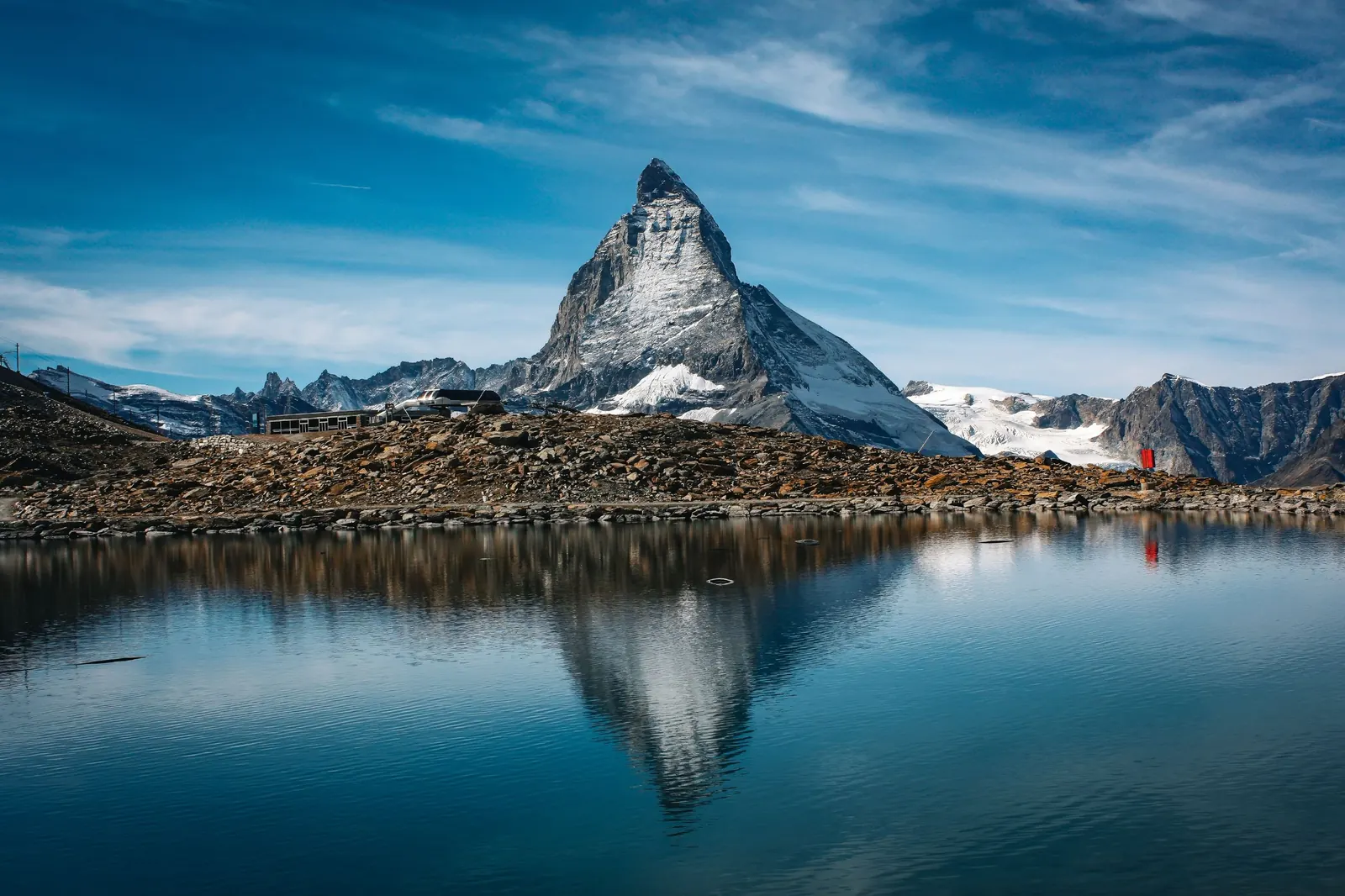
Switzerland is compact and well connected, so it works well for trips built around trains, mountain railways and boat rides. In the Swiss Alps you can stay in places such as Zermatt (Matterhorn), the Jungfrau region around Interlaken, Lucerne and St. Moritz, and reach lakes, glaciers and meadows quickly.
Summer is for hiking and lake towns, winter is for skiing and snow villages. It is an expensive destination, so planning transport passes and the season carefully matters.
Why visit Switzerland?
- Scenic mountainsThe Matterhorn, the Jungfrau massif and the Bernese Alps.
- Excellent public transportTrains, buses and boats connect towns, valleys and mountain stations.
- Four-season destinationHiking, lakes and wildflowers in summer; skiing and snow villages in winter.
- Famous scenic trainsThe Glacier Express and Bernina Express are classic routes.
- Thermal baths and spasAlpine spa towns offer relaxation after active days.
When to go
Best time to visit
For hiking and lake towns, June to September is best, with most mountain lifts open. For skiing and winter scenery, December to March is the usual window. April-May and October-November are shoulder seasons, with fewer visitors but some mountain lifts and hotels closed.
Weather and seasons
Weather varies a lot by altitude.
Summer (June to August): warm in towns, cooler and changeable in the mountains. Afternoon thunderstorms are possible.
Autumn: clear days and colourful larches, with cooler nights.
Winter (December to March): cold with reliable snow at higher altitudes.
Spring: snowmelt, flowers in the valleys, and some high routes still closed.
Best Good (fewer crowds)
Estimated travel budget
Rough estimates per person per day, excluding flights: about $150-250 on a budget, $250-450 mid-range, and $500+ for luxury. Switzerland is among the more expensive destinations in Europe, with high costs for hotels, meals and mountain railways. Check current rates when you book.
These are rough planning estimates, not quotes. Prices change by season and provider, so always check current rates before you book.
Best places to visit in Switzerland
- ZermattA car-free village below the Matterhorn, good for hiking and skiing.
- Interlaken and the Jungfrau regionGateway to Grindelwald, Lauterbrunnen, Wengen and Murren.
- LucerneA lakeside old town with Chapel Bridge and day trips to Mount Pilatus and Rigi.
- ZurichThe largest city, with a lakefront, old town and museums.
- Lugano and TicinoAn Italian-flavoured region with lakes and warm weather.
- St. Moritz and the EngadinFamous for skiing, high-altitude lakes and luxury hotels.
Top attractions
- Matterhorn viewsCable cars and trains from Zermatt reach several viewpoints.
- JungfraujochA high-altitude rail station and glacier area, often called the Top of Europe.
- Lauterbrunnen ValleyA glacial valley with waterfalls and village hiking.
- Chapel Bridge, LucerneA medieval covered wooden bridge, rebuilt after a fire in 1993.
- Lake Geneva and Chillon CastleA lakeside castle near Montreux.
- Glacier ExpressA long scenic rail route between Zermatt and St. Moritz or Davos.
Things to do in Switzerland
- Hike mountain trailsWell-marked paths from easy valley walks to alpine routes.
- Ride a scenic trainPanoramic trains run on several routes. Reserve seats where needed.
- Take a lake cruiseBoats operate on Lucerne, Thun, Brienz, Geneva and others.
- Visit a Swiss chocolate or cheese experienceTours and tastings in various regions.
- Soak in thermal bathsLeukerbad, Bad Ragaz and Scuol are popular spa towns.
- Ski or snowboardLarge areas such as Zermatt, Verbier, St. Moritz and the Jungfrau region.
Where to stay
- Mountain village hotelsIn Zermatt, Grindelwald, Wengen and Murren, close to lifts and trails.
- Lakeside hotelsIn Lucerne, Montreux, Lugano and Interlaken, with easy transport links.
- Alpine chalets and apartmentsUseful for families and groups, particularly in winter.
- Spa and wellness hotelsIn thermal-bath towns such as Leukerbad and Bad Ragaz.
Wellness retreats and spas
- Thermal bathsLeukerbad, Bad Ragaz, Scuol and others have outdoor mineral pools with mountain views.
- Alpine spa hotelsSaunas, treatment rooms and quiet lounges.
- Forest and lakeside walksGentle activity as a wellness option.
- Yoga and mindfulness retreatsOffered by various mountain hotels and retreat centres.
Adventure experiences
- Alpine hikingMarked trails across the country in summer.
- Skiing and snowboardingOne of Europe's largest ranges of ski areas.
- ParaglidingTandem flights in Interlaken and other mountain regions.
- Canyoning and via ferrataGuided adventure activities in summer.
Romantic experiences
- Scenic train journeyPanoramic carriages and mountain views.
- Lake cruise at sunsetLucerne, Montreux and Lugano are popular.
- Chalet stay with a viewCosy winter and summer stays.
Recommended tours and activities
- Jungfraujoch excursionRail and mountain trip, usually a full day from Interlaken.
- Matterhorn Glacier ParadiseCable car above Zermatt.
- Lucerne and Mount Pilatus day tripBoat, cogwheel railway and cable car loop.
- Glacier Express or Bernina ExpressMulti-hour scenic rail journeys.
Travel tips
- Look at the Swiss Travel Pass for trains, buses and boats. Mountain lifts are often discounted rather than free, so compare options for your itinerary.
- Book scenic trains and seat reservations early in summer and winter.
- Check mountain weather and webcams before buying expensive lift tickets.
- Pack layers and waterproofs, even in summer.
- Tap water is generally safe to drink, and many towns have public fountains.
- Plan around opening dates. Many mountain lifts and hotels close in the shoulder seasons.
Frequently asked questions about Switzerland
How many days do I need in Switzerland?
Seven to ten days lets you combine two or three bases, such as Lucerne, the Jungfrau region and Zermatt.
When is the best time to visit Switzerland?
June to September for hiking and lakes, December to March for skiing.
Is Switzerland expensive?
Yes, it is among the pricier destinations in Europe. Travel passes, picnic lunches and self-catering stays help.
Is the Swiss Travel Pass worth it?
It can be for trips with many train, bus and boat journeys. Compare it with point-to-point tickets for your route.
Do I need a car?
Usually not. Public transport is efficient and many mountain villages are car-free.
Packing for Switzerland
Handy things many travellers pack for a trip like this.
As an Amazon Associate we earn from qualifying purchases.